
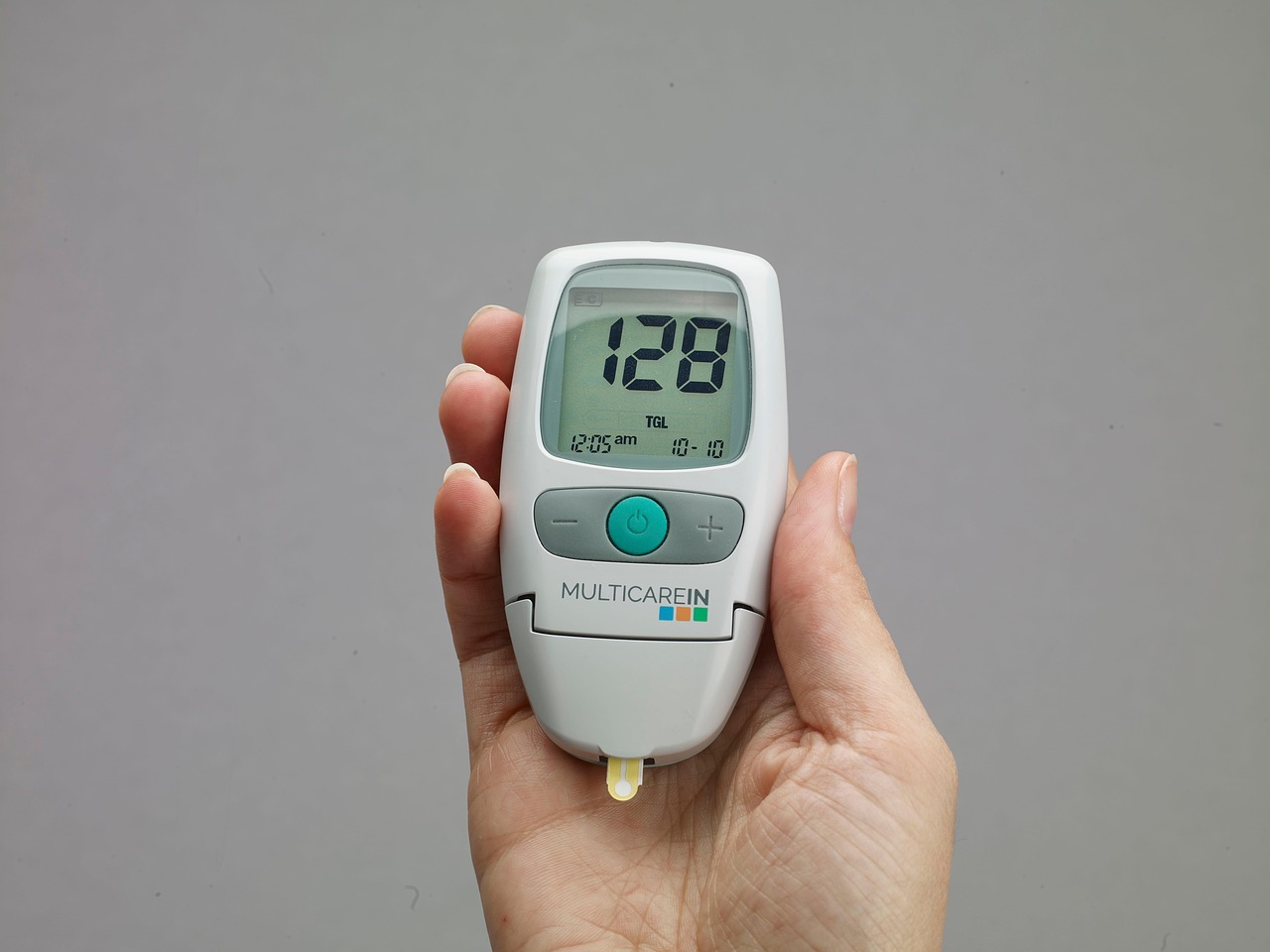
Early Signs of Insulin Resistance Most People Ignore (Complete Guide)
Introduction
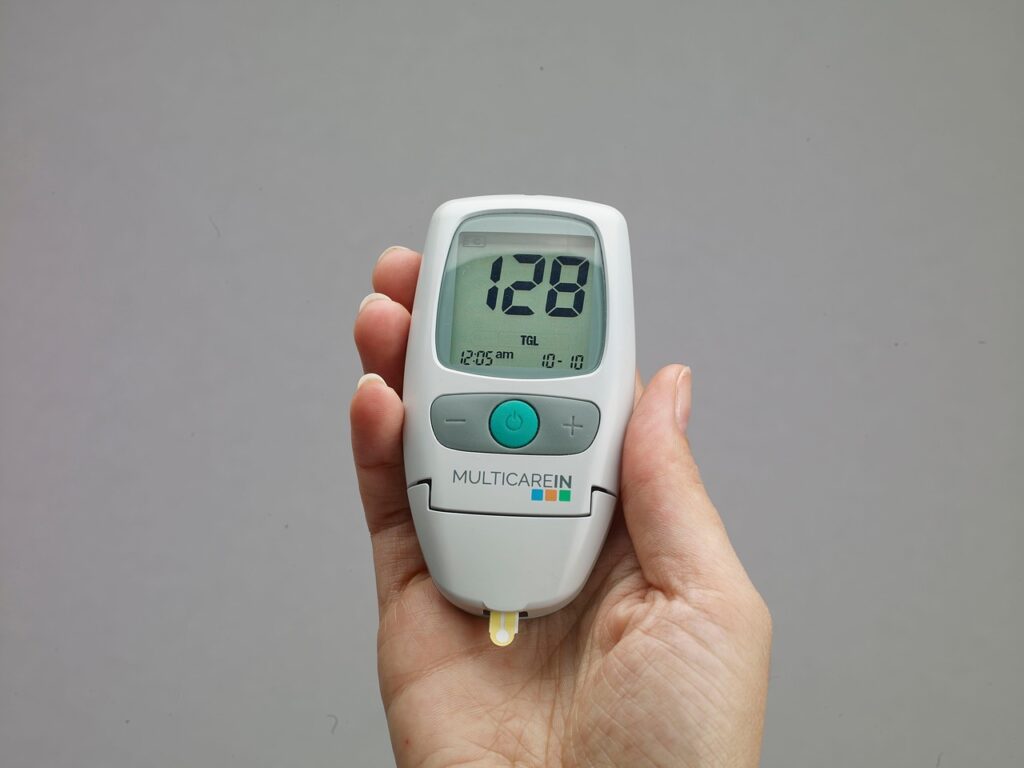
Insulin resistance is one of the most common health problems in the modern world, yet most people do not even realize they have it. It develops slowly, silently, and without clear warning in the early stages. Many people ignore the early signs, thinking they are just tired, stressed, or gaining a little weight due to age.
Insulin resistance happens when your body does not respond properly to insulin, a hormone that controls blood sugar levels. Over time, this condition can lead to type 2 diabetes, obesity, heart disease, fatty liver, PCOS, and hormonal imbalance.
The good news is that insulin resistance is reversible in early stages if detected on time.
In this detailed guide, you will learn:
- What insulin resistance really is
- Why it is becoming so common
- Early warning signs most people ignore
- Who is at high risk
- How insulin resistance affects weight and hormones
- Simple lifestyle changes to reverse it naturally
This article is written in simple English, fully original, and Google AdSense safe.
🖼️ Image 1 (Introduction)
Pixabay search: blood sugar insulin concept
ALT text: Insulin resistance and blood sugar imbalance illustration
What Is Insulin Resistance? (Simple Explanation)
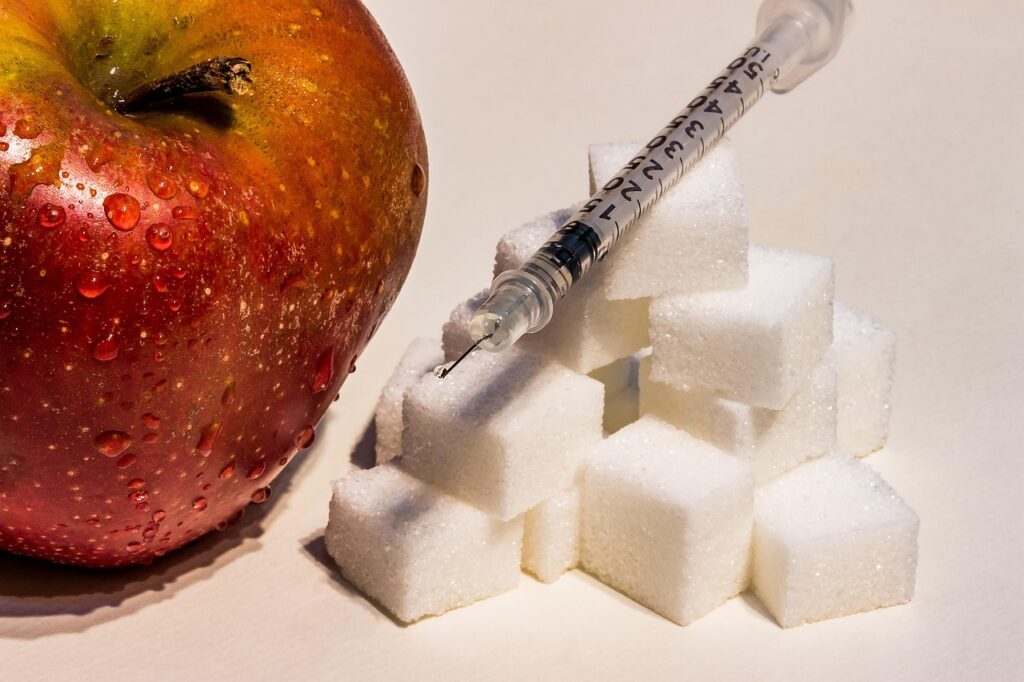
Insulin is a hormone made by the pancreas. Its main job is to help sugar (glucose) move from your blood into your cells, where it is used for energy.
When you eat:
- Food → turns into glucose
- Glucose enters blood
- Insulin helps move glucose into cells
In insulin resistance, your cells stop responding properly to insulin. As a result:
- Sugar stays in the blood
- Pancreas produces more insulin
- Insulin levels become high
High insulin for a long time leads to:
- Fat storage (especially belly fat)
- Constant hunger
- Low energy
- Hormonal problems
🖼️ Image 2
Pixabay search: insulin resistance diagram
ALT text: How insulin resistance affects blood sugar levels
Why Insulin Resistance Is Increasing So Fast
Insulin resistance was rare decades ago. Today, it affects millions of people worldwide—even young adults.
Main reasons include:
- High sugar and processed food intake
- Refined carbohydrates (white bread, rice, sweets)
- Sitting lifestyle
- Chronic stress
- Poor sleep
- Excess belly fat
- Hormonal imbalance
Many people develop insulin resistance without being overweight, which is why it often goes unnoticed.
Early Signs of Insulin Resistance Most People Ignore
These signs appear years before diabetes, but people usually ignore them.
1. Constant Fatigue Even After Sleeping Well

Do you feel tired even after 7–8 hours of sleep?
This happens because:
- Sugar cannot enter your cells properly
- Cells lack energy
- Blood sugar goes up and down
As a result, you feel:
- Low energy
- Brain fog
- Sleepy during the day
🖼️ Image 3
Pixabay search: tired person fatigue
ALT text: Constant fatigue as an early sign of insulin resistance
2. Strong Sugar and Carb Cravings

If you crave:
- Sweets
- Bread
- Rice
- Fast food
- Sugary drinks
It may be a sign of insulin resistance.
High insulin causes:
- Rapid blood sugar drops
- Hunger soon after meals
- Desire for quick energy foods
This creates a dangerous cycle of eating and craving.
3. Belly Fat That Won’t Go Away

One of the biggest warning signs is stubborn belly fat, even if:
- You exercise
- You eat less
- You diet regularly
High insulin tells the body to store fat, especially around the abdomen.
Belly fat is not just cosmetic—it increases the risk of:
- Diabetes
- Heart disease
- Hormonal imbalance
🖼️ Image 4
Pixabay search: belly fat obesity abdomen
ALT text: Belly fat linked to insulin resistance
4. Frequent Hunger Soon After Eating
Do you feel hungry again 1–2 hours after meals?
This happens because:
- Insulin spikes
- Blood sugar drops suddenly
- Brain signals hunger
Even large meals may not keep you full if insulin resistance is present.
5. Dark Patches on Skin (Acanthosis Nigricans)

Dark, velvety skin patches on:
- Neck
- Underarms
- Elbows
- Knees
This is a strong medical sign of insulin resistance.
It happens because high insulin stimulates excess skin cell growth.
🖼️ Image 5
Pixabay search: dark neck skin condition
ALT text: Dark skin patches as a sign of insulin resistance
6. Difficulty Losing Weight Despite Dieting
If you:
- Eat less
- Exercise regularly
- Still don’t lose weight
Insulin resistance may be blocking fat burning.
High insulin:
- Prevents fat breakdown
- Encourages fat storage
- Slows metabolism
7. Brain Fog and Poor Concentration

People with insulin resistance often complain of:
- Poor focus
- Forgetfulness
- Mental tiredness
The brain needs stable glucose. Insulin resistance causes sugar highs and crashes, affecting brain performance.
8. High Blood Pressure and Cholesterol
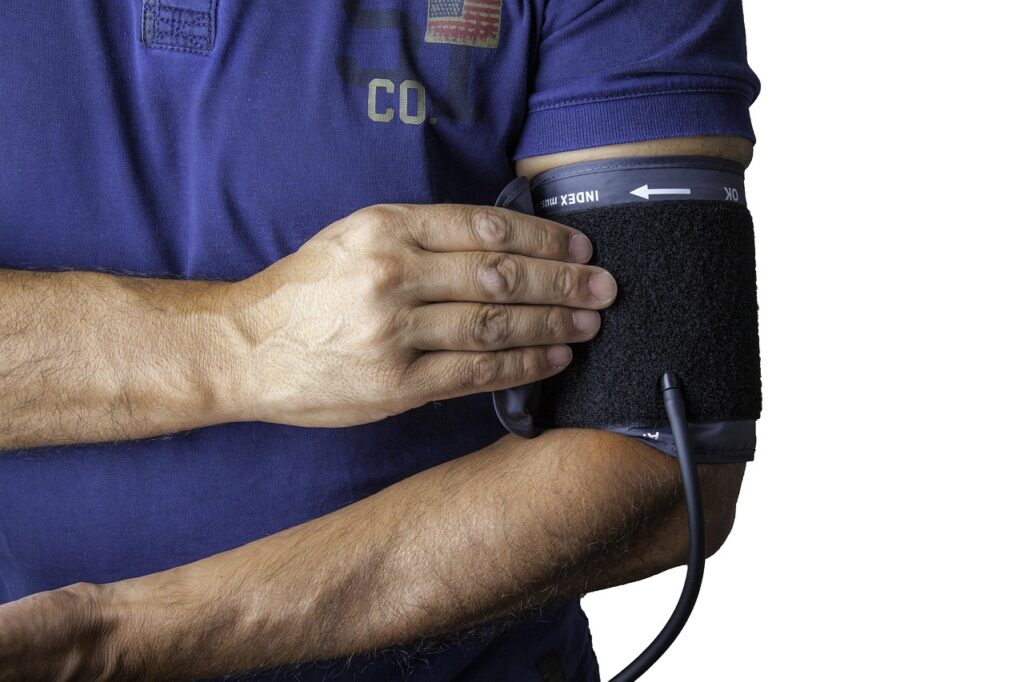
Insulin resistance often comes with:
- High triglycerides
- Low HDL (good cholesterol)
- High blood pressure
This combination is known as metabolic syndrome.
🖼️ Image 6
Pixabay search: high blood pressure health check
ALT text: High blood pressure linked to insulin resistance
9. PCOS and Hormonal Problems (Especially in Women)

Insulin resistance is closely linked with:
- PCOS
- Irregular periods
- Acne
- Excess facial hair
High insulin increases male hormones in women, disturbing hormonal balance.
10. Fatty Liver Without Alcohol
Non-alcoholic fatty liver disease (NAFLD) is strongly connected to insulin resistance.
It happens when excess sugar is converted into fat and stored in the liver.
Who Is at High Risk of Insulin Resistance?
You are at higher risk if you:
- Have belly fat
- Sit for long hours
- Eat sugary foods regularly
- Have PCOS
- Have family history of diabetes
- Sleep less than 6 hours
- Are under chronic stress
🖼️ Image 7
Pixabay search: sedentary lifestyle office work
ALT text: Sedentary lifestyle increasing insulin resistance risk
How Insulin Resistance Leads to Type 2 Diabetes
If insulin resistance is ignored:
- Pancreas produces more insulin
- Cells become more resistant
- Blood sugar stays high
- Pancreas becomes exhausted
- Diabetes develops
This process may take 5–10 years.
Can Insulin Resistance Be Reversed?
✅ YES — especially in early stages
Lifestyle changes are more powerful than medicine when done consistently.
Natural Ways to Improve Insulin Sensitivity
1. Reduce Sugar and Refined Carbs
Avoid:
- Sugary drinks
- Sweets
- White bread
- Processed snacks
2. Increase Protein Intake
Protein:
- Reduces cravings
- Controls blood sugar
- Improves metabolism
3. Walk Daily (Even 30 Minutes Helps)
Walking after meals lowers blood sugar naturally.
🖼️ Image 8
Pixabay search: walking exercise outdoor
ALT text: Walking helps improve insulin sensitivity
4. Strength Training
Muscle cells use more glucose → better insulin response.
5. Improve Sleep Quality
Poor sleep increases insulin resistance.
Aim for:
- 7–8 hours
- Fixed sleep timing
6. Manage Stress
Stress hormones raise blood sugar.
Practice:
- Deep breathing
- Meditation
- Light stretching
When to See a Doctor
Consult a doctor if you have:
- Persistent fatigue
- Unexplained weight gain
- Dark skin patches
- Family history of diabetes
Tests that help:
- Fasting insulin
- HOMA-IR
- HbA1c
Conclusion
Insulin resistance is silent but dangerous. Most people ignore the early signs until serious health problems appear. The earlier you identify it, the easier it is to reverse. Small daily changes in diet, movement, sleep, and stress can protect you from diabetes and long-term complications.
Your body gives warning signs—listen to them early.



 Premium Baby Game in 2025 -
  Premium Earberds in 2025