

Introduction: The Simple Fruit With Superpowers
Bananas are among the most popular fruits worldwide—convenient, affordable, and naturally sweet, eating bananas daily?”. But what really happens to your body when you commit to eating this humble yellow fruit every single day? Beyond the obvious nutritional benefits, daily banana consumption triggers a cascade of effects throughout your body, some of which might genuinely surprise you.
In this comprehensive 2500-word guide, we’ll explore the science-backed transformations you can expect, address common misconceptions, and provide practical tips for incorporating bananas into your daily routine for maximum benefit. Whether you’re a health enthusiast or simply someone who enjoys this tropical fruit, understanding the full impact of daily banana consumption can help you make more informed dietary choices.
Chapter 1: The Nutritional Profile of a Single Banana

Before diving into what happens when you eat bananas daily, let’s understand exactly what you’re consuming. A medium-sized banana (approximately 7-8 inches long) contains:
- Calories: 105
- Carbohydrates: 27 grams
- Fiber: 3 grams
- Protein: 1.3 grams
- Fat: 0.4 grams
- Vitamin C: 17% of your daily requirement
- Vitamin B6: 22% of your daily requirement
- Potassium: 12% of your daily requirement
- Magnesium: 8% of your daily requirement
Bananas also contain smaller amounts of other vitamins and minerals, including vitamin A, iron, and antioxidants like dopamine and catechins. The nutritional composition varies slightly depending on ripeness—greener bananas contain more resistant starch, while riper bananas have more natural sugars.
Chapter 2: What Happens When You Eat Bananas Daily for 30 Days
The First 30 Days

Image Source: Pixabay
One of the most immediate effects of daily banana consumption occurs in your digestive system. Here’s what science tells us:
Improved Bowel Regularity
The 3 grams of fiber in a medium banana (about 10% of your daily needs) acts as a natural regulator. Pectin and resistant starch (especially in slightly green bananas) function as prebiotics—feeding the beneficial bacteria in your gut. Many people report more regular bowel movements within the first week of daily consumption.
Potential Digestive Adjustment Period
If you’re not accustomed to regular fiber intake, you might experience minor bloating or gas during the first 3-7 days as your gut microbiome adjusts. This typically resolves as your digestive system adapts.
Natural Antacid Effect
Bananas contain natural compounds that help neutralize stomach acid and coat the stomach lining. A 2012 study in the Annals of Gastroenterology found that bananas may help protect against stomach ulcers and acid reflux.
Chapter 3: Energy and Athletic Performance Changes

Sustainable Energy Release
Unlike processed sugary snacks that cause energy spikes and crashes, bananas provide sustained energy. The combination of simple carbohydrates for immediate energy and complex carbohydrates for delayed release makes bananas ideal for maintaining stable blood sugar levels when consumed as part of a balanced meal.
Enhanced Exercise Performance
Studies have shown that eating a banana before or during prolonged exercise can be as effective as carbohydrate sports drinks. The potassium helps prevent muscle cramps, while the carbohydrates fuel working muscles. A 2012 study published in PLOS ONE found that cyclists performed equally well whether they consumed bananas or a 6% carbohydrate drink during intense exercise.
Post-Workout Recovery
The natural sugars replenish glycogen stores, potassium assists with fluid balance, and magnesium helps with muscle relaxation and protein synthesis. This makes bananas an excellent post-exercise recovery food.
Chapter 4: Heart Health Improvements

Blood Pressure Regulation
The potassium content in bananas is crucial for counteracting the effects of sodium in your diet. Each medium banana contains about 422 mg of potassium. The American Heart Association recommends increased potassium intake to help manage blood pressure, and numerous studies have confirmed the blood pressure-lowering effects of potassium-rich diets.
Cholesterol Management
The soluble fiber in bananas, particularly pectin, can help lower LDL (bad) cholesterol levels by binding to cholesterol in the digestive system and removing it from the body before it enters the bloodstream.
Cardiovascular Disease Risk Reduction
A comprehensive analysis published in the British Medical Journal found that people with the highest potassium intake had a 24% lower risk of stroke. Given that bananas are one of the most accessible potassium sources, daily consumption could contribute significantly to cardiovascular protection.
Chapter 5: Cognitive and Mood Benefits

Image Source: Pixabay
Vitamin B6 and Neurotransmitter Production
The impressive vitamin B6 content in bananas (one medium banana provides about 25% of your daily needs) plays a crucial role in producing neurotransmitters like serotonin and dopamine, which regulate mood, sleep, and stress response.
Natural Tryptophan Source
Bananas contain tryptophan, an amino acid that converts to serotonin in the brain. While the amount isn’t substantial enough to act as a standalone mood enhancer, when combined with other tryptophan sources throughout the day, it contributes to better mood regulation.
Cognitive Performance
The steady glucose supply from bananas provides the brain with its primary fuel source. A 2015 study in the American Journal of Clinical Nutrition found that students who ate bananas performed better on exams than those who didn’t, likely due to improved concentration and sustained mental energy.
Chapter 6: Weight Management Effects

Image Source: Pixabay
Appetite Regulation
The combination of fiber and resistant starch in bananas promotes feelings of fullness and satiety. A 2009 study in Appetite found that increasing resistant starch intake by just 5% increased fat burning after meals by 20-30%.
Lower Calorie Density
At approximately 100 calories per medium fruit, bananas provide substantial volume and nutrition for relatively few calories, making them an excellent choice for those watching their weight.
Blood Sugar Management
Despite their sweetness, bananas have a low to medium glycemic index (GI), ranging from 42-62 depending on ripeness. The fiber content slows sugar absorption, preventing insulin spikes that can lead to increased fat storage and hunger.
Chapter 7: Kidney Health Support

Potassium and Kidney Stone Prevention
Adequate potassium intake helps reduce calcium excretion in urine, which is a primary risk factor for kidney stone formation. A 2014 study following over 240,000 participants for up to 14 years found that those with the highest potassium intake had a significantly lower risk of developing kidney stones.
Kidney Function Preservation
For people with healthy kidneys, the potassium in bananas supports optimal function. However, individuals with advanced kidney disease may need to limit potassium intake—an important caveat we’ll address later.
Chapter 8: Potential Concerns and Considerations

Image Source: Pixabay
Sugar Content Considerations
While bananas contain natural sugars, a medium banana has about 14 grams—significantly less than most processed snacks or desserts. For context, a 12-ounce can of soda contains about 39 grams of added sugar.
Migraine Triggers
Bananas contain tyramine, which can trigger migraines in sensitive individuals. If you’re prone to migraines, monitor your response to daily banana consumption.
Latex Allergy Connection
Approximately 30-50% of people with latex allergies may experience oral allergy syndrome when eating bananas due to similar proteins. Symptoms include itching or swelling of the mouth and throat.
Kidney Disease Precautions
Individuals with advanced kidney disease often need to limit potassium intake, so they should consult their doctor before adding daily bananas to their diet.
Chapter 9: Maximizing Benefits – Best Practices for Daily Consumption
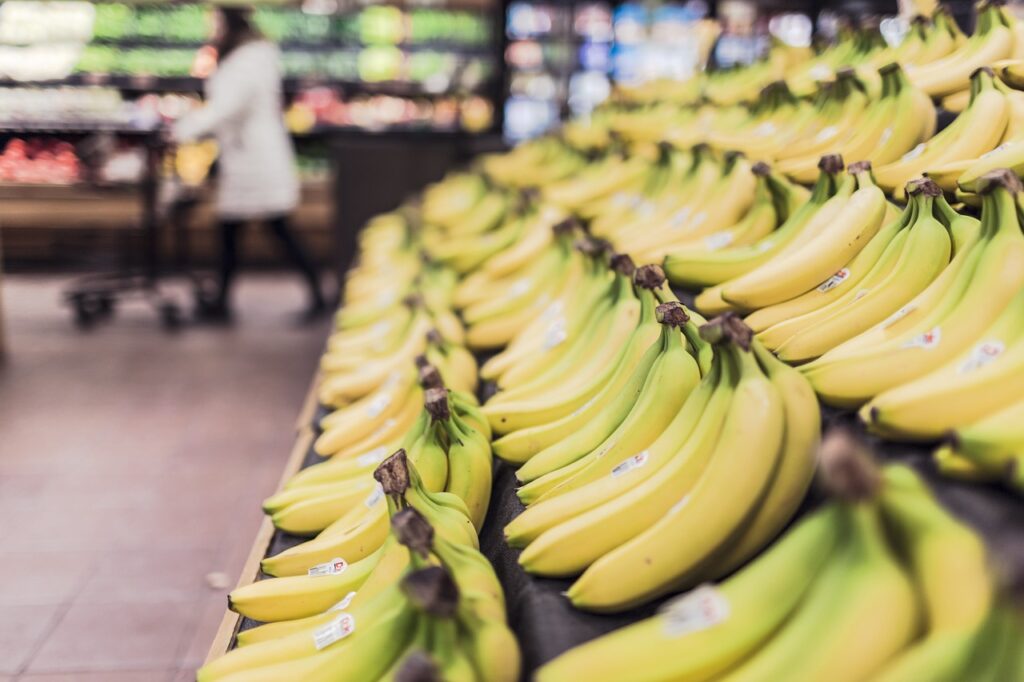
Image Source: Pixabay
Choosing the Right Ripeness
- Green bananas: Higher in resistant starch, better for blood sugar control and gut health
- Yellow bananas: Balanced sweetness and texture, maximum antioxidant levels
- Brown-spotted bananas: Easier to digest, higher sugar content, ideal for baking
Optimal Timing
- Morning: Provides sustained energy for the day ahead
- Pre-workout: 30-60 minutes before exercise for fuel
- Post-workout: Within 30 minutes after exercise for recovery
- Evening: The tryptophan content may support sleep for some people
Creative Incorporation Ideas
- Add slices to oatmeal or cereal
- Blend into smoothies
- Freeze for “nice cream”
- Use in baking as a natural sweetener
- Pair with nut butter for balanced snack
- Add to whole-grain pancakes or waffles
Chapter 10: Scientific Limitations and Balanced Perspective

Image Source: Pixabay
While the evidence supporting banana consumption is substantial, it’s important to maintain perspective:
- No single food provides complete nutrition—bananas should be part of a varied, balanced diet.
- Individual responses vary based on genetics, microbiome, and overall dietary patterns.
- Most studies on banana benefits are observational or examine specific nutrients rather than whole bananas exclusively.
- Diversity in fruit consumption is ideal—different fruits provide different nutrient profiles.
Conclusion: The Verdict on Daily Banana Consumption
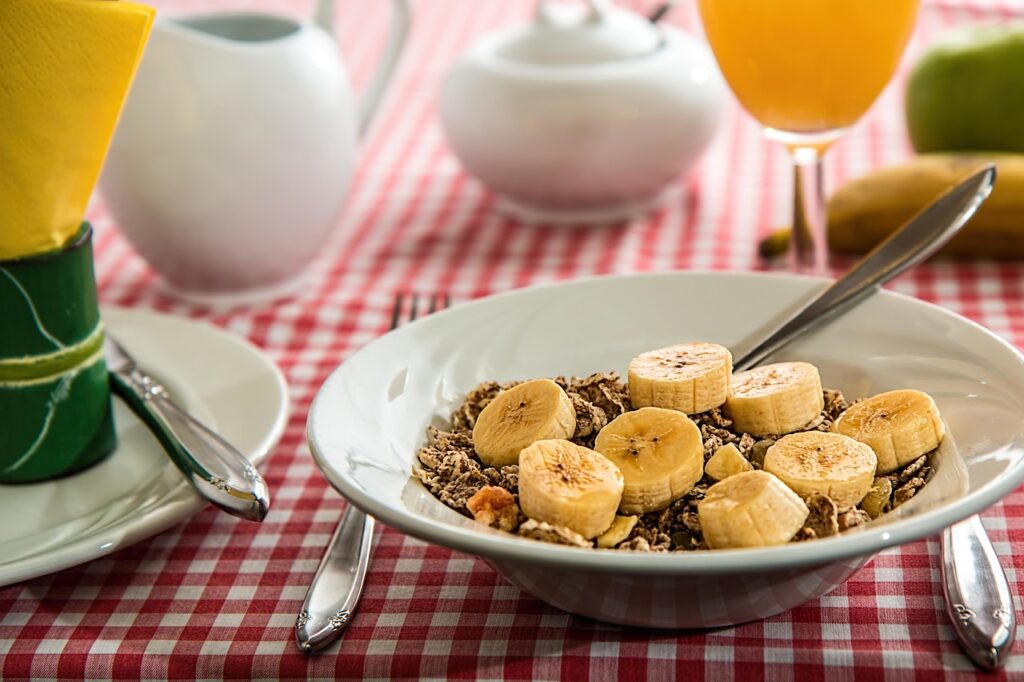
Image Source: Pixabay
For the majority of people, eating a banana daily offers significant health benefits with minimal risks. The combination of essential nutrients, fiber, antioxidants, and natural sugars makes bananas a nearly ideal snack food that supports digestive health, heart function, energy levels, and mood regulation.
The key takeaways from our 2500-word exploration:
- Digestive health improves through increased fiber and prebiotic effects
- Energy levels stabilize thanks to balanced carbohydrate composition
- Heart health benefits from potassium and fiber content
- Mood and cognition may improve due to vitamin B6 and steady glucose
- Weight management is supported by satiety and low calorie density
- Kidney health benefits from adequate potassium intake
- Considerations exist for specific medical conditions
As with any dietary change, listen to your body and consult with a healthcare professional if you have specific health concerns. For most individuals, however, the simple act of eating a banana each day represents an easy, affordable step toward better health—proving that sometimes, the most powerful wellness strategies come in their own natural packaging.
Disclaimer: This article is for informational purposes only and does not constitute medical advice. Consult with a healthcare professional before making significant changes to your diet, especially if you have underlying health conditions.