
The 7 Silent Weight Loss Mistakes Sabotaging Your Progress (And How to Fix Them For Good)

Tired of doing everything “right” but seeing no change on the scale? You count calories, force yourself onto the treadmill, and say no to dessert, yet your body refuses to cooperate. This relentless cycle of effort and disappointment is a shared frustration for millions. You’re not failing; you’re likely falling victim to silent, pervasive mistakes that modern diet culture has normalized. This isn’t another article rehashing “eat less, move more.” This is a deep-dive analysis of the real physiological and psychological errors that stall progress, backed by a strategic blueprint to correct them. Prepare to move beyond guesswork and into the realm of sustainable, science-backed fat loss.
Mistake #1: The Calorie Quality Catastrophe: Obsessing Over Quantity, Ignoring Biology
The Illusion: “A calorie is a calorie.” This outdated mantra leads you to believe that 100 calories of soda and 100 calories of almonds impact your body identically. You meticulously log numbers, choosing “low-calorie” processed foods, yet feel hungrier and more fatigued than ever.
The Biological Reality: Calories are not created equal. Your body isn’t a simple math equation; it’s a complex endocrine system. Highly processed foods, refined sugars, and industrial seed oils trigger inflammatory pathways, spike insulin (your primary fat-storage hormone), and fail to trigger satiety signals. You eat your allotted 1,500 calories of packaged “diet” food, but your hormones are screaming for more, your metabolism slows in protest, and your body prioritizes storing fat, not losing it.
The 10X Fix: The Nutrient-Density Priority System
Stop counting; start qualifying. Shift your primary goal from “calorie deficit” to “nutrient sufficiency.”
- The Rule: Every meal must be built on a foundation of protein (to preserve metabolic muscle and maximize satiety), fiber (to regulate blood sugar and gut health), and healthy fats (to support hormone production).
- The Action: For one week, do not track a single calorie. Instead, ensure every plate is 50% non-starchy vegetables, 25% high-quality protein (chicken, fish, eggs, tofu), and 25% complex carbohydrates or healthy fats (avocado, sweet potato, olive oil). Observe how your hunger, energy, and cravings transform.
Visual Strategy: A powerful split-screen infographic. Left side: A photo of a “low-calorie” meal (e.g., a diet frozen dinner, a zero-sugar soda, and rice cakes) with large red arrows pointing to metabolic downsides like “Spikes Insulin,” “Causes Inflammation,” “Fails to Satiate.” Right side: A vibrant plate of salmon, roasted broccoli, and quinoa with green arrows pointing to benefits like “Balances Hormones,” “Fuels Metabolism,” “Promotes Fullness.”
Mistake #2: The Cardio-Addiction Trap: Running Yourself Into the Ground (and a Plateau)

The Illusion: More sweat equals more fat loss. You believe the treadmill display’s “calories burned” and equate hours of steady-state cardio with guaranteed results. This often leads to fatigue, increased appetite, and a frustrating plateau where more effort yields diminishing returns.
The Metabolic Reality: While excellent for heart health, excessive cardio can be counterproductive for body composition. It primarily burns calories during the activity with minimal afterburn effect. Crucially, it can signal your body to shed metabolically expensive muscle tissue for efficiency, slowly lowering your Basal Metabolic Rate (BMR). You become a more efficient fat-storer, needing to run longer and eat less to see the same effect—a recipe for burnout.
The 10X Fix: The Strength & Sprint Protocol
To lose fat permanently, you must become a calorie-burning powerhouse 24/7. This requires building and preserving muscle.
- The Rule: Strength training is non-negotiable. Make resistance exercise (weight lifting, bodyweight circuits, resistance bands) the cornerstone of your routine, 3-4 times per week.
- The Action: Replace two of your long cardio sessions with:
- A full-body strength session.
- A High-Intensity Interval Training (HIIT) session (e.g., 30 seconds of all-out effort, 90 seconds of rest, repeated 8 times). HIIT creates a significant “afterburn” (EPOC), where your body burns extra calories for hours to repair itself.
Visual Strategy: A dynamic composite image. The background is someone lifting a heavy kettlebell with perfect form. Overlaid on the image are illustrated icons with text: a flaming “Afterburn” icon, a growing “Muscle” bicep icon, and an upward-trending “Metabolism” graph icon.
The Illusion: “I’ll sleep when I’m lean.” You burn the midnight oil, believing the extra waking hours are productive for your goals. You don’t connect your stubborn belly fat to your 5-hour nights.
Mistake #3: The Sleep Sacrifice: The Unseen Hormonal Wrecking Ball

The Hormonal Reality: Sleep is the master regulator of fat loss. Skimping on it is a direct attack on your hormones:
- Leptin (the “I’m full” hormone) decreases, making you feel unsatisfied.
- Ghrelin (the “I’m hungry” hormone) increases, driving cravings, especially for high-carb, sugary foods.
- Cortisol (the stress hormone) remains elevated, which promotes abdominal fat storage and breaks down muscle.
- Insulin sensitivity plummets, making your body more prone to storing calories as fat.
The 10X Fix: The Sleep-Enhancing Ritual
Prioritize sleep with the same rigor you prioritize your gym session.
- The Rule: Protect 7-9 hours of quality, uninterrupted sleep as your #1 recovery tool.
- The Action: Implement a “Power-Down Hour” before bed: no screens (blue light blocks melatonin), dim lights, room temperature at ~65°F (18°C), and consider a mindfulness practice like reading or light stretching. Consistency in sleep and wake times is critical, even on weekends.
Visual Strategy: A serene, dark-toned photo of an ideal sleep sanctuary: a perfectly made bed in a cool, dark, and quiet room. An inset circular graphic shows the four key hormones (Leptin, Ghrelin, Cortisol, Insulin) with arrows clearly showing their ideal (green up/down) and sleep-deprived (red up/down) states.
Mistake #4: The Stress-Fueled Spiral: Willpower Cannot Override Biochemistry

The Illusion: “I just need more discipline.” You blame a sudden binge on cookies on “weakness,” not recognizing it as a biochemical inevitability triggered by chronic stress.
The Neurological Reality: Chronic stress keeps cortisol elevated. High cortisol doesn’t just encourage fat storage; it actively hijacks your prefrontal cortex—the brain region responsible for willpower and decision-making. It literally shifts control to the limbic system, which seeks instant gratification and comfort (usually in the form of hyper-palatable food). Your “choice” to eat junk food under stress is less a choice and more a biochemical mandate.
The 10X Fix: The Preemptive Stress Buffer
Manage stress proactively, not reactively.
- The Rule: Your capacity for dietary discipline is directly proportional to your stress management skills.
- The Action: Schedule two 10-minute “stress-buffer” sessions daily. This could be focused diaphragmatic breathing (proven to lower cortisol), a walk in nature, or journaling. The key is to discharge stress before it accumulates and triggers a hormonal cascade that derails your nutrition.
Visual Strategy: A conceptual image. On the left, a person looks overwhelmed at a desk (stress input). A red arrow leads to a simplified brain diagram where the “Stress Center (Limbic System)” is lit up and the “Decision Center (Prefrontal Cortex)” is dimmed. A final arrow points to a hand reaching for junk food.
Mistake #5: The Hydration Deception: Mistaking Thirst for Hunger & Metabolic Sludge

The Illusion: “I drink when I’m thirsty.” You might have a coffee in the morning and a few glasses with meals, but you’re likely in a chronic state of mild dehydration without realizing it.
The Physiological Reality: Water is the medium for every metabolic process in your body, including lipolysis (fat breakdown). Even mild dehydration can:
- Cause a 2-3% drop in metabolic rate.
- Make you confuse thirst signals for hunger pangs, leading to unnecessary eating.
- Reduce workout performance and muscle recovery.
- Increase water retention as your body desperately holds onto what little it has.
The 10X Fix: The Strategic Hydration Protocol
Treat water like a metabolic supplement.
- The Rule: Drink 0.5 to 1 ounce of water per pound of body weight daily. Start with a baseline of 3 liters.
- The Action:
- Drink 500ml (about 16oz) of water immediately upon waking.
- Drink 250ml (about 8oz) before each meal (aids satiety).
- Sip consistently throughout the day; clear or pale yellow urine is your goal.
- For every cup of coffee, add an extra glass of water.
Visual Strategy: A clean, crisp flat-lay photo. A large, clear glass water bottle with time markers (7 AM, 10 AM, 1 PM, etc.) is central. Around it, place items symbolizing the benefits: a small dumbbell (performance), a brain icon (clarity), a fire icon (metabolism), and a tied-off burger (appetite control).
Mistake #6: The Protein Poverty Problem: The Single Biggest Dietary Error

The Illusion: “I get enough protein.” You might have some at dinner, but breakfast is often carb-centric (toast, cereal, fruit), and lunch is light.
The Satiety & Metabolism Reality: Protein is the most thermogenic macronutrient (you burn calories digesting it), it is the most satiating (keeps you full), and it is the essential building block for maintaining and building metabolism-revving lean muscle. In a calorie deficit, insufficient protein intake guarantees that a significant portion of your weight loss will come from precious muscle, not just fat, sabotaging your long-term metabolism.
The 10X Fix: The Protein-Pacing Principle
Distribute your protein intake strategically across the day.
- The Rule: Aim for a minimum of 1 gram of protein per pound of your goal body weight (or 1.6-2.2g per kg). Spread this across 3-4 meals.
- The Action: Make breakfast a protein powerhouse (30g minimum). Examples: a 4-egg omelet with vegetables, a high-protein Greek yogurt bowl with nuts, or a protein smoothie with spinach and nut butter. This sets your metabolism and satiety for the entire day.
Visual Strategy: A simple, bold graphic titled “The Protein Pacing Plate.” It shows four identical plates (Breakfast, Lunch, Dinner, Snack). On each plate, a significant portion (about 1/3 of the plate) is highlighted in a distinct color and labeled “30-40g Protein.” The text below reads: “Fuel Metabolism & Preserve Muscle ALL DAY.”
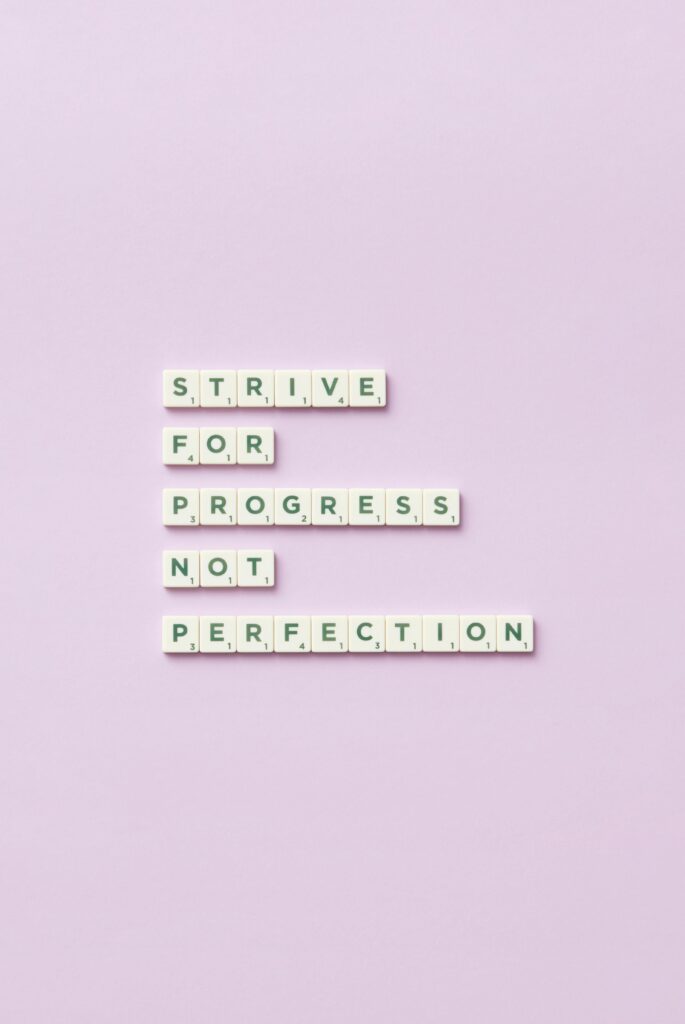
Mistake #7: The All-or-Nothing Mindset: Why Perfection is the Enemy of Progress
The Illusion: “I cheated, so my day/week is ruined.” One “off-plan” meal triggers a spiral of guilt, leading to a “screw it” mentality and days of abandon, followed by an overly restrictive “start over Monday.”
The Psychological Reality: This binary thinking is the fastest route to quitting. It makes the process joyless, stressful, and unsustainable. It ignores the fundamental law of weight management: consistency over perfection. One meal does not make you gain fat, just as one salad does not make you lean. It’s the average of hundreds of meals and actions over time that matters.
The 10X Fix: The 85/15 Flexibility Framework
Build a resilient mindset that can withstand real life.
- The Rule: Aim to make choices that align with your goals 85% of the time. The remaining 15% is for life, flexibility, and enjoyment without guilt.
- The Action: Plan your “flexible” moments. If you have a social dinner on Saturday, enjoy it mindfully and without restriction. Know that it’s part of your 15%. Get right back to your nourishing 85% at the very next meal. This removes the “forbidden fruit” allure of foods and makes your lifestyle truly livable.
Visual Strategy: A compelling two-part illustration. Part 1, labeled “The Destructive Cycle,” shows a circle: “Perfect Day” -> “Small Slip-Up” -> “Guilt & ‘Screw It'” -> “Days of Binging” -> “Restrictive Start Over.” Part 2, labeled “The Sustainable Path,” shows a straight, slightly wavy line moving steadily upward. The line is mostly green (85%) with occasional, integrated orange dots (15%). The caption: “Progress is a Trend Line, Not a Perfect Point.”
Conclusion: The Synthesis of Success
Sustainable weight loss is not found in a single hack or a month of heroic suffering. It is engineered by synergistic habits that work on your biology, not against it. It’s the combination of nutrient-dense eating, strength-focused training, prioritized sleep, managed stress, strategic hydration, ample protein, and a flexible mindset.
Stop searching for a secret. The “secret” is the consistent application of these fundamental, unsexy principles. Start by auditing which of these seven silent mistakes is your biggest bottleneck. Master fixing that one. Then move to the next. This is how you build a metabolism that works for you, a body you are proud of, and a relationship with food that is free from guilt and full of vitality. The journey begins not with a stricter diet, but with smarter science.