

Introduction: The Hidden Epidemic of Youthful Exhaustion
You’re young, supposedly in the prime of your life, yet you’re constantly battling fatigue, muscle weakness, and that overwhelming feeling of being drained. You’re not alone. Increasing numbers of young adults—typically aged 18-35—are experiencing unexplained body weakness that affects their work, relationships, and quality of life. This isn’t normal aging; this is a symptom of modern living that deserves attention.
This comprehensive guide explores the 15 most common (and often overlooked) causes of body weakness in young adults, providing science-backed explanations and practical solutions. Whether you’ve been feeling inexplicably tired for weeks or just want to optimize your energy levels, understanding these factors could be life-changing.
Chapter 1: Nutritional Deficiencies – The Silent Energy Thieves
1. Iron Deficiency (The Most Common Culprit)
Why it causes weakness: Iron is essential for hemoglobin production, which carries oxygen to your muscles and tissues. Without adequate oxygen, your cells can’t produce energy efficiently.
Surprising fact for young adults: Women aged 18-35 are particularly vulnerable due to menstrual blood loss. According to the World Health Organization, approximately 30% of women worldwide are anemic, with iron deficiency being the leading cause.
Symptoms beyond weakness:
- Pale skin and inner eyelids
- Brittle nails
- Restless legs syndrome
- Unusual cravings for ice or dirt (pica)
Solution: Include iron-rich foods like spinach, lentils, red meat (in moderation), and fortified cereals. Pair with vitamin C sources (citrus fruits, bell peppers) to enhance absorption.
2. Vitamin B12 Deficiency
Why it matters: B12 is crucial for nerve function and red blood cell formation. Deficiency directly impacts your nervous system and energy production.
At-risk groups:
- Vegans and vegetarians (B12 is mainly in animal products)
- Those with digestive issues (Crohn’s, celiac disease)
- Long-term antacid users
Early signs: Tingling in hands/feet, brain fog, mood changes alongside weakness.
Solution: Nutritional yeast, fortified plant milks, supplements (especially methylcobalamin form).
3. Vitamin D Deficiency (The Sunshine Vitamin Problem)
Modern lifestyle impact: Young adults spending 90% of their time indoors (office work, gaming, streaming) miss essential sun exposure.
The weakness connection: Vitamin D receptors exist in muscle tissue. Deficiency causes proximal muscle weakness (difficulty standing from chairs, climbing stairs).
Statistics shocker: Up to 42% of American adults are vitamin D deficient, with young adults increasingly affected.
Chapter 2: Sleep Disorders & Poor Sleep Hygiene

4. Sleep Apnea in Young Adults
Myth busting: Sleep apnea isn’t just for older, overweight individuals. Young, fit adults can have it too, especially if they have:
- Narrow airways
- Large tonsils
- Facial structure predispositions
How it causes weakness: Repeated breathing interruptions prevent deep, restorative sleep, leaving you exhausted despite “sleeping” 8 hours.
Red flags: Waking up gasping, loud snoring, morning headaches, partner noticing breathing pauses.
5. Delayed Sleep Phase Syndrome
The young adult epidemic: Your natural circadian rhythm wants you to sleep from 2 AM to 10 AM, but society demands 10 PM to 6 AM.
Consequence: Chronic sleep deprivation masked as “being a night owl” leads to persistent fatigue and muscle weakness.
The fix: Gradual sleep schedule adjustment, light therapy, melatonin timing.
6. Poor Sleep Hygiene Practices
Common mistakes:
- Screen time until bedtime (blue light suppresses melatonin)
- Irregular sleep schedules (different times weekdays vs weekends)
- Consuming caffeine after 2 PM
- Using bed for work/entertainment
Simple improvement: The 10-3-2-1-0 rule:
- 10 hours before bed: No more caffeine
- 3 hours before: No heavy meals/alcohol
- 2 hours before: Stop work
- 1 hour before: No screens
- 0: The number of times you hit snooze
Chapter 3: Hormonal Imbalances

7. Thyroid Disorders
Hypothyroidism (underactive thyroid): Metabolism slows, causing fatigue, weight gain, muscle weakness, and cold intolerance.
Key fact for young adults: Thyroid issues often appear in your 20s-30s, especially after pregnancy or periods of high stress. Women are 5-8 times more likely to be affected.
Symptoms checklist:
- Unexplained weight gain despite normal eating
- Dry skin and hair
- Constipation
- Depression alongside weakness
8. Adrenal Fatigue (HPA Axis Dysfunction)
Controversy note: While not universally recognized as a medical diagnosis, chronic stress unquestionably affects adrenal function.
The modern stress cycle:
- Chronic work/social/financial stress
- Constant cortisol production
- Adrenal exhaustion
- Inability to handle even minor stressors
Result: Complete body weakness, “tired but wired” feeling, salt cravings.
Chapter 4: Mental Health Connections

9. Depression and Fatigue
The physical manifestation: Depression isn’t just “feeling sad.” It causes measurable physical symptoms:
- Psychomotor retardation (slowed movements)
- Muscle fatigue
- Heavy limb sensation
- Energy depletion
Important distinction: With depression-related weakness, rest doesn’t help. In fact, excessive resting often worsens symptoms.
10. Anxiety-Induced Exhaustion
The energy drain: Constant anxiety keeps your body in fight-or-flight mode, burning energy reserves unnecessarily.
Physical symptoms mimicking illness:
- Muscle tension causing weakness
- Tremors mistaken for loss of strength
- Hyperventilation reducing oxygen delivery
11. Burnout Syndrome
Not just work-related: Young adults experience burnout from:
- Academic pressure
- Social media comparison
- Financial stress
- Relationship maintenance
The weakness mechanism: Chronic stress hormones (cortisol) break down muscle tissue and disrupt energy production at cellular level.
Chapter 5: Lifestyle Factors

Image Source: Pixabay
12. Sedentary Lifestyle Paradox
The counterintuitive truth: Too little movement causes more fatigue than moderate activity.
Science explanation: Regular exercise improves mitochondrial function (cellular energy production), enhances circulation, and increases endorphins.
The “active couch potato”: Working out 30 minutes then sitting 10 hours still causes metabolic slowdown and muscle deconditioning.
13. Dehydration
Mild dehydration (just 1-2% fluid loss) causes:
- 10% decrease in physical performance
- Impaired cognitive function
- Reduced blood volume, making heart work harder
Young adult risk factors:
- Replacing water with coffee/energy drinks
- Alcohol consumption (dehydrating)
- Air-conditioned environments (reduced thirst signals)
14. Poor Posture & Muscle Imbalances
Tech neck & desk posture: Forward head posture, rounded shoulders, and anterior pelvic tilt create:
- Chronic muscle tension
- Nerve compression
- Reduced breathing efficiency
- Altered blood flow
Result: Localized weakness in postural muscles, general fatigue from inefficient movement.
Chapter 6: Medical Conditions Often Missed in Young Adults

Image Source: Pixabay
15. Chronic Fatigue Syndrome (ME/CFS)
Diagnosis criteria: Unexplained persistent fatigue for 6+ months with:
- Post-exertional malaise (worsening after activity)
- Unrefreshing sleep
- Cognitive impairment
Young adult onset: Most common in 20s-40s, often triggered by viral infections or periods of high stress.
Important: ME/CFS is a legitimate medical condition, not “just being tired.”
16. Autoimmune Conditions
Examples: Lupus, rheumatoid arthritis, multiple sclerosis often begin in young adulthood.
The fatigue mechanism: Immune system attacks healthy tissues, creating inflammation that drains energy.
Clue: Weakness accompanied by joint pain, rashes, or symptoms that come and go.
17. Post-Viral Syndromes
Long COVID lesson: Viral infections can cause prolonged weakness for months after the acute illness passes.
Other culprits: Epstein-Barr virus (mononucleosis), influenza, even common cold viruses in susceptible individuals.
Chapter 7: The Diagnostic Pathway – When to Seek Help
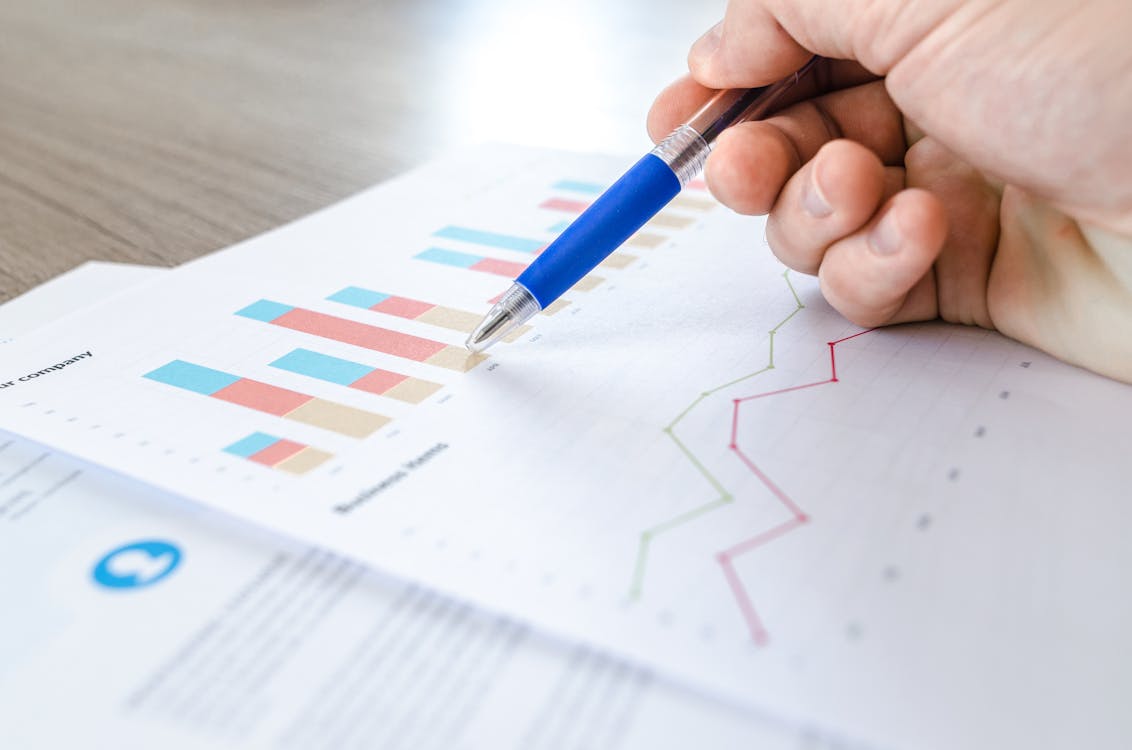
Image Source: Pixabay
Red Flags Requiring Immediate Medical Attention
- Weakness that’s progressively worsening
- Difficulty breathing or swallowing
- Sudden onset (over hours/days)
- Accompanied by fever, weight loss, or night sweats
- Bowel/bladder control issues
Step-by-Step Self-Assessment
- Track symptoms for 2 weeks (energy levels, sleep, diet, stressors)
- Basic lab work to consider requesting:
- Complete blood count (CBC)
- Thyroid panel (TSH, free T3/T4)
- Vitamin D, B12, ferritin (iron stores)
- Basic metabolic panel
- Sleep evaluation if snoring or unrefreshing sleep
Finding the Right Specialist
- Primary care physician: First stop for initial testing
- Endocrinologist: Hormonal issues
- Neurologist: Nerve/muscle disorders
- Rheumatologist: Autoimmune conditions
- Sleep specialist: Sleep disorders
- Psychiatrist/Psychologist: Mental health components
Chapter 8: Practical Solutions & Energy Restoration Plan

Image Source: Pixabay
The 4-Week Energy Restoration Protocol
Week 1: Foundation Building
- Hydration: Drink half your body weight (pounds) in ounces daily
- Sleep consistency: Same bedtime/wake time (±30 minutes) daily
- Nutrition baseline: Protein with every meal, colorful vegetables daily
Week 2: Movement Integration
- Daily walking: 20-30 minutes, preferably in morning sunlight
- Posture breaks: Set hourly reminders to stand/stretch
- Strength training: Begin with 2 sessions weekly, focus on major muscle groups
Week 3: Stress Management
- Digital sunset: No screens 1 hour before bed
- Mindfulness practice: 10 minutes daily meditation or deep breathing
- Worry time: Schedule 15 minutes daily for concerns, then let go
Week 4: Optimization
- Social connection: Schedule meaningful interactions
- Purposeful rest: Intentional downtime without guilt
- Progress evaluation: Adjust what’s working/not working
Nutritional Support Strategies
- Energy-boosting snacks: Apple with almond butter, Greek yogurt with berries
- Meal timing: Smaller, frequent meals to stabilize blood sugar
- Supplement consideration: Based on proven deficiencies only
Movement Guidelines for Weakness Recovery
- Start gentle: Walking, swimming, yoga
- Progress gradually: 10% increase in activity weekly
- Listen to body: Distinguish between “good tired” and harmful fatigue
- Consistency over intensity: Regular moderate activity beats occasional intense workouts
Chapter 9: Prevention & Long-Term Energy Maintenance

Image Source: Pixabay
Building an Energy-Resilient Lifestyle
The Energy Bank Account Concept:
- Deposits: Quality sleep, nutritious food, joyful movement, positive relationships
- Withdrawals: Stress, poor sleep, processed foods, negative self-talk
- Balance goal: More deposits than withdrawals daily
Monthly Check-In Questions:
- Do I wake up feeling rested most days?
- Do I have consistent energy throughout the day?
- Can I handle normal stressors without crashing?
- Do I recover reasonably from exercise?
- Is my mood generally stable?
Technology for Energy Management
- Sleep tracking apps (Oura, Sleep Cycle)
- Activity reminders (standing, hydration, breathing breaks)
- Meditation apps (Headspace, Calm)
- Symptom trackers for identifying patterns
Conclusion: Reclaiming Your Vitality

Image Source: Pixabay
Body weakness in young adults is rarely caused by a single factor but rather a combination of nutritional, lifestyle, psychological, and sometimes medical elements. The good news? Most causes are reversible with appropriate interventions.
Key takeaways:
- Listen to your body – Persistent weakness isn’t normal at any age
- Start with basics – Sleep, nutrition, hydration, movement
- Seek professional help when self-care isn’t enough
- Be patient – Energy restoration takes time
- Address root causes rather than just masking symptoms with caffeine or stimulants
Remember that seeking help is a sign of strength, not weakness. Your youthful years should be filled with energy and vitality – don’t accept less as your new normal.
Final encouragement: Many young adults before you have overcome similar fatigue challenges and regained their energy. With systematic investigation and consistent implementation of healthy practices, you can join them in enjoying the vibrant, active life you deserve.
Disclaimer: This article is for informational purposes only and does not constitute medical advice. Always consult with a qualified healthcare professional for personalized medical guidance, diagnosis, and treatment.