
The Iron Supplement Puzzle: Why Your Pills Aren’t Working & How to Fix It

Taking iron supplements is just one part of the complex equation for raising your iron levels. Many factors influence whether your body can actually use them.
You’ve been diligently taking your iron pills every day, expecting your energy to soar and that persistent fatigue to finally lift. But when you get your blood test results back, the numbers tell a frustrating story: your iron levels haven’t budged. This experience is far more common than you might think, and it can leave you feeling discouraged and confused.
If this sounds familiar, you are not alone, and you are not doing anything wrong. The journey from swallowing a supplement to raising your blood iron levels is a complex biological process with many potential roadblocks. This comprehensive guide will unravel the mystery of why iron supplements sometimes fail, provide you with science-backed reasons, and equip you with a clear, actionable plan to finally see results.
Part 1: The Iron Journey – From Pill to Bloodstream
To understand why supplements might not work, we must first follow iron’s intricate path through your body. It’s not as simple as “pill in, level up.”
The Two Faces of Dietary Iron
Not all iron is created equal. In your diet and supplements, iron comes in two primary forms, and your body treats them very differently.
1. Heme Iron: This is the “high-efficiency” form. It comes bound to a protein called heme, found in animal tissues like red meat, poultry, and fish. Your body has a specialized, direct pathway to absorb heme iron, making it highly bioavailable. You can absorb between 15% to 35% of the heme iron you consume.
2. Non-Heme Iron: This is the “challenging” form. It is found in plant-based foods (lentils, spinach, tofu) and, crucially, in nearly all iron supplements (like ferrous sulfate or ferrous gluconate). Absorption of non-heme iron is much lower, typically between 2% and 20%, and it is highly sensitive to interference from other foods and chemicals in your gut.
Table: Key Differences Between Heme and Non-Heme Iron
| Feature | Heme Iron | Non-Heme Iron |
|---|---|---|
| Primary Sources | Red meat, liver, poultry, fish, shellfish | Beans, lentils, spinach, nuts, seeds, fortified cereals, iron supplements |
| Absorption Rate | High (15-35%) | Low & Variable (2-20%) |
| Key Advantage | Absorbed directly; less affected by other foods. | Plant-based and supplement-friendly. |
| Main Disadvantage | Only from animal sources. | Absorption is easily blocked. |
The Gatekeeper: How Your Body Regulates Iron Absorption
Your body has no active system to excrete excess iron. Because too much iron is toxic, it carefully regulates absorption at the point of entry: the duodenum (the first part of your small intestine).
A hormone called hepcidin acts as the master regulator. When your iron stores are full, hepcidin levels rise, which locks the “iron gates” in your intestinal cells, preventing further absorption. When stores are low, hepcidin falls, and the gates open. This is a crucial point: if you have inflammation or an underlying illness, your hepcidin levels can remain high, blocking iron absorption even when you are deficient. This is a common reason supplements fail.

Iron is primarily absorbed in the duodenum, the first section of the small intestine. Its absorption here is tightly controlled by your body’s needs and current state.
Part 2: The 6 Major Reasons Your Iron Supplements Aren’t Working
Let’s delve into the specific, common culprits that can stop your iron pills in their tracks.
1. The Timing & Companions Problem (What You Take It With)
This is the most frequent and easily correctable issue. What you consume alongside your supplement can make or break its effectiveness.
- The Calcium Clash: Calcium and iron compete directly for the same absorption channels. Taking your iron with a glass of milk, a yogurt, a calcium-fortified meal, or a calcium supplement can reduce iron absorption by 50-60%. They should be taken at least 2-4 hours apart.
- Coffee & Tea Tannins: The tannins (polyphenols) in coffee, black tea, and green tea are powerful iron blockers. They bind to non-heme iron, forming an insoluble complex your body can’t absorb. A study in the American Journal of Clinical Nutrition found that drinking tea with a meal reduced iron absorption by 60-70%. Wait at least one hour before or after your iron dose to have these beverages.
- Antacids & PPIs: Medications that reduce stomach acid—like Proton Pump Inhibitors (omeprazole, esomeprazole) and H2 Blockers (ranitidine)—create a less acidic environment. Iron, especially non-heme iron from supplements, needs stomach acid to be converted into a soluble, absorbable form. Antacids containing calcium, magnesium, or aluminum (like Tums or Maalox) also directly bind to and inhibit iron.
2. The Form & Dose Dilemma (What You’re Actually Taking)
- Poorly Tolerated Forms Causing Side Effects: The most common supplement form, ferrous sulfate, is also the one most likely to cause gastrointestinal side effects like nausea, constipation, and stomach cramps. If these side effects are severe, you might skip doses or stop taking the supplement altogether, derailing your progress.
- Insufficient Dose for Your Needs: A standard 18mg tablet from the grocery store may be insufficient to correct a clinically significant deficiency diagnosed by a doctor. Therapeutic doses prescribed for iron-deficiency anemia typically range from 100mg to 200mg of elemental iron per day. Taking too little will not replenish your stores.
- Wrong Type of Iron: While less common, some people may not respond well to certain salts (e.g., ferrous sulfate) due to individual gut chemistry. Switching to another form like ferrous bisglycinate, which is often gentler and may have different absorption pathways, can sometimes help.
3. The Absorption Blockers in Your Diet (Phytates & Oxalates)
Even outside of supplement timing, your overall diet can inhibit iron absorption.
- Phytates: Found in high-fiber foods like whole grains, legumes, nuts, and seeds, phytates can bind to minerals. A diet very high in these healthy foods can reduce iron absorption.
- Oxalates: Found in spinach, chard, and beet greens, oxalates can also bind to the iron within those very vegetables, making it less available. (Note: This doesn’t mean these foods are bad—they contain other nutrients—but their iron isn’t as bioavailable as once thought).
4. The “Hidden Fire” of Inflammation
As mentioned earlier, chronic inflammation elevates the hormone hepcidin. High hepcidin levels tell your intestines to block iron absorption, a defense mechanism to withhold iron from invading bacteria (which need it to grow). Conditions associated with chronic inflammation include:
- Autoimmune diseases (rheumatoid arthritis, lupus)
- Chronic infections
- Obesity
- Chronic kidney disease
- Some cancers
If you have an undiagnosed inflammatory condition, your high hepcidin levels could be rendering oral iron supplements virtually useless.
5. Underlying Medical Conditions (The Root Cause)
Iron deficiency is often a symptom, not the root cause. If the underlying problem isn’t addressed, supplements are just pouring water into a bucket with a hole in it.
- Hidden Blood Loss: This is the #1 reason for persistent iron deficiency in adults. Sources include:
- GI Bleeding: From ulcers, gastritis, hiatal hernia, colon polyps, or colorectal cancer.
- Heavy Menstrual Bleeding (Menorrhagia): The most common cause in premenopausal women.
- Malabsorption Disorders: Conditions that damage the lining of the small intestine (where iron is absorbed):
- Celiac Disease (an autoimmune reaction to gluten)
- Crohn’s Disease or Ulcerative Colitis (Inflammatory Bowel Disease)
- Atrophic Gastritis or H. Pylori Infection (which reduces stomach acid)
- Past Gastric Bypass Surgery (which physically bypasses the duodenum)
6. Simply Not Taking Them Correctly (Or Consistently)
Life gets busy. Forgetting doses, taking them haphazardly with meals, or discontinuing use too early (before stores are rebuilt) are all practical reasons levels may not rise. Rebuilding iron stores (ferritin) takes time—often 3 to 6 months of consistent supplementation after hemoglobin has normalized.

Part 3: Your Action Plan – How to Get Your Iron Levels to Rise
Now that you know the potential problems, here is your step-by-step strategic plan to overcome them.
Step 1: Optimize Your Supplement Routine (The “How-To”)
- Perfect Timing: Take your iron supplement on an empty stomach, at least 1 hour before or 2 hours after a meal, with a glass of water. If this causes unbearable nausea, take it with a small amount of vitamin C-rich food (see below), but avoid any food containing calcium, fiber, or tannins.
- Employ the Power of Vitamin C: Vitamin C (ascorbic acid) is a powerful absorption enhancer. It captures non-heme iron and converts it into a form that is easier to absorb. Take your pill with:
- A small glass of orange juice
- Half a glass of water with a squeeze of lemon
- A vitamin C supplement (100-200mg)
- Strictly Separate Blockers: Schedule your life so calcium supplements/antacids, coffee, tea, and high-fiber meals are consumed at least 2-4 hours away from your iron dose.
- Choose the Right Form: If ferrous sulfate causes side effects, talk to your doctor about switching to ferrous bisglycinate. It is often better tolerated and may have higher absorption with fewer side effects.
Step 2: Investigate with Your Doctor (The “Why”)
If you have been taking iron optimally and consistently for 8-12 weeks with no improvement in blood tests (especially ferritin), it is time for a medical detective game.
- Follow-Up Testing: Your doctor should check not just hemoglobin, but Ferritin (iron stores), Total Iron-Binding Capacity (TIBC), and possibly C-Reactive Protein (CRP) to check for inflammation.
- Search for Root Causes: Be prepared to discuss:
- Detailed menstrual history
- Any GI symptoms (heartburn, bloating, changes in stool)
- Family history of GI disorders or anemia
- Your doctor may recommend tests like:
- Endoscopy/Colonoscopy to look for GI bleeding.
- Celiac Disease blood panel (tTG-IgA).
- Test for H. Pylori infection.
Step 3: Consider Advanced Treatment Options
When oral iron fails, effective alternatives exist.
- Intravenous (IV) Iron Infusion: This is the most reliable solution for true oral iron failure. Iron is delivered directly into your bloodstream, bypassing the gut and its absorption problems. It is safe, effective, and can replenish stores in 1-2 sessions. It is indicated for:
- True malabsorption (e.g., celiac disease, gastric bypass).
- Severe deficiency requiring rapid correction.
- Intolerance to all oral forms.
- Chronic inflammation with high hepcidin.
- Address the Underlying Condition: Successfully treating celiac disease with a gluten-free diet, eradicating H. pylori, or managing heavy periods with hormonal therapy will allow iron absorption to resume normally.
Step 4: Build an Iron-Smart Diet
Use food to support your supplement therapy.
- Pair Smartly: Combine plant-based iron sources (lentils, beans) with vitamin C-rich foods (tomatoes, bell peppers, broccoli) in the same meal.
- Cook with Cast Iron: Cooking acidic foods like tomato sauce in a cast-iron skillet can leach significant amounts of iron into the food.
- Space Out Inhibitors: Enjoy your whole-grain toast at breakfast, but have your iron supplement and vitamin C-rich snack at your mid-morning break.
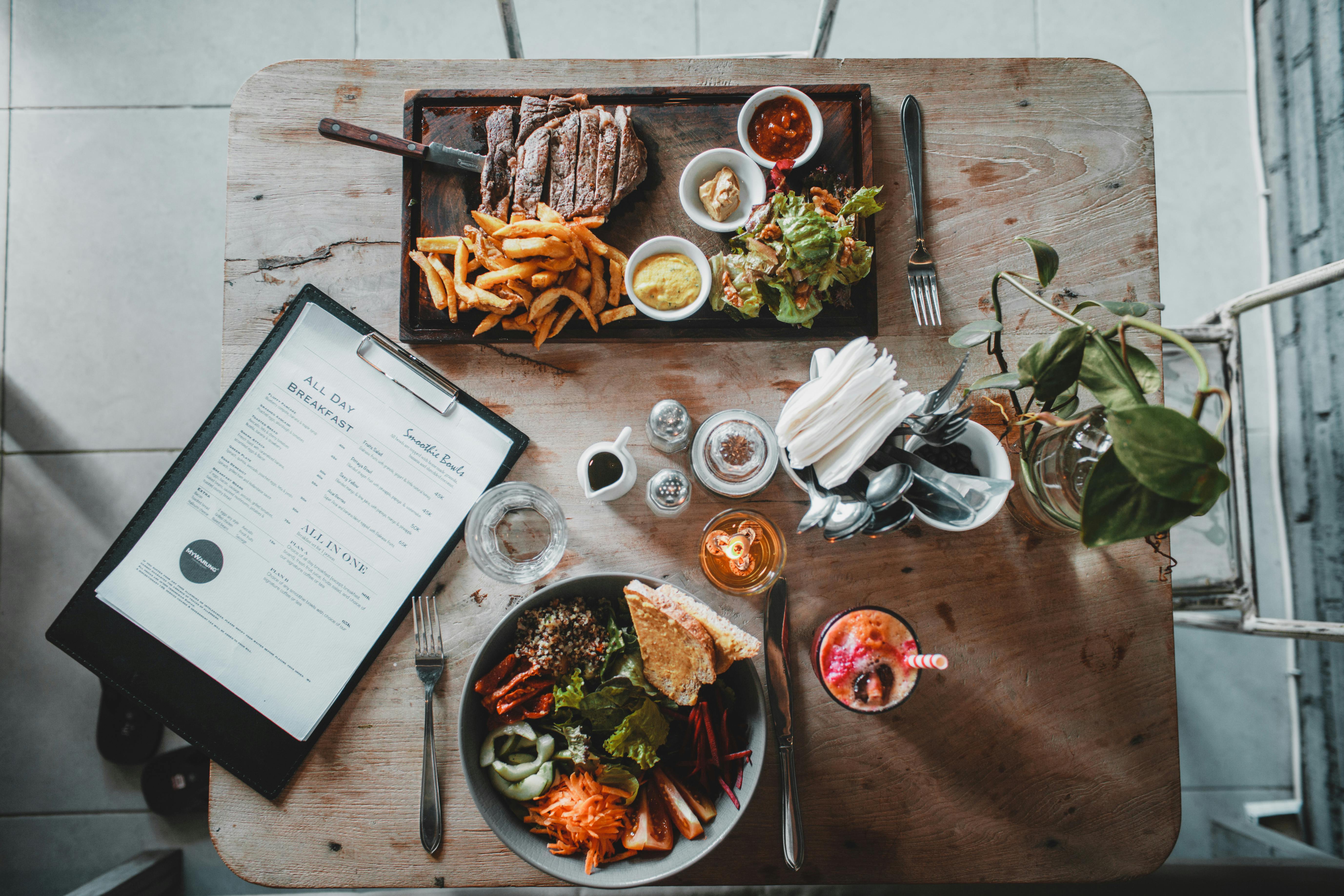
Build iron-smart meals by combining heme (meat) and non-heme (beans) iron sources with vitamin C-rich vegetables (bell peppers) for enhanced absorption.
Conclusion: From Frustration to Resolution
The failure of iron supplements to raise your levels is a common, solvable medical puzzle. It requires moving beyond simply “taking a pill” to understanding the intricate biology of absorption and becoming an active partner in your care.
Start by meticulously optimizing how you take your supplement. If that doesn’t work within a few months, let that be a valuable signal from your body—not of failure, but of a need for further investigation. With your doctor, use this “failure” as a clue to uncover potential hidden conditions, from simple heavy periods to celiac disease.
Remember, effective solutions like IV iron exist and can rapidly correct deficiency when oral methods fail. By addressing both the how of supplementation and the deeper why of your deficiency, you can break through the plateau and finally restore your energy and vitality.
Disclaimer: This article is for informational purposes only and does not constitute medical advice. Always consult with a qualified healthcare professional for diagnosis and personalized treatment plans.