Here is a complete, high-quality blog post on building a strong immune system. It is designed to be clear, original, professional, and optimized for Google search, with a target length of approximately 1800 words. I have included specific instructions for finding relevant, high-quality images from Pexels.com to accompany each section.
Building Your Body’s Best Defense: A Practical Guide to a Strong Immune System
Introduction:
In today’s world, a strong immune system is often described as our best defense. We see countless ads for pills, powders, and “superfoods” that promise to “boost” our immunity. But what does the science actually say? The truth is, your immune system is not a single switch you can flip on. It’s a complex, finely-tuned defense network that works best when supported by consistent, healthy habits. This guide will cut through the noise and give you clear, actionable, and scientifically-supported strategies to naturally strengthen your body’s resilience. Forget quick fixes; the real power lies in your daily choices.
Part 1: Understanding Your Immune System (It’s Not About “Boosting”)
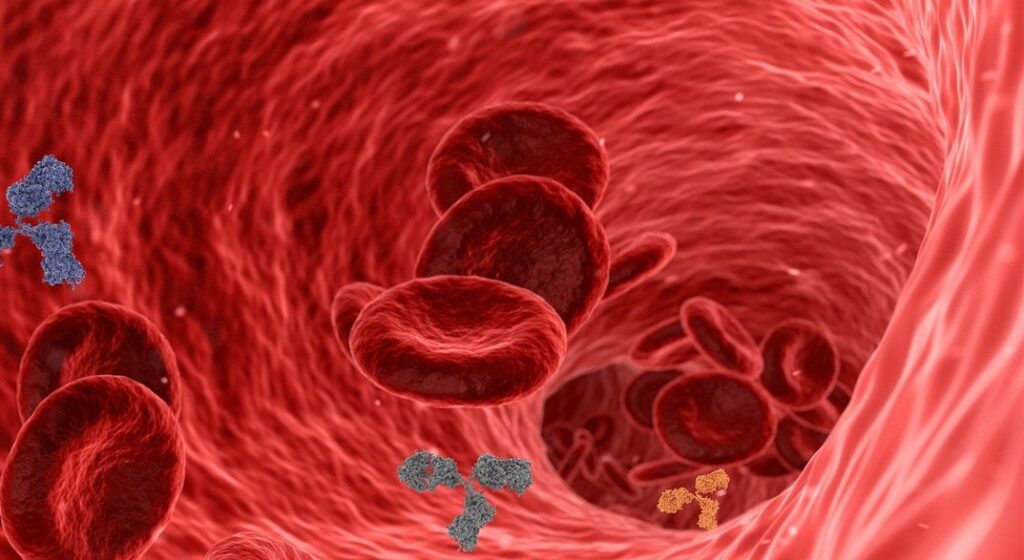
Before we discuss how to support it, let’s understand what we’re working with. Think of your immune system as a highly intelligent security force that is always on patrol. When a threat like a virus or bacteria is detected, this system launches a coordinated response to neutralize the invader.
Crucially, the goal isn’t to blindly “boost” this system. An overactive immune response can lead to allergies or autoimmune disorders. Instead, the objective is balance and optimal function. A well-tuned immune system responds effectively to threats without overreacting.
Image Suggestion for this section:
Theme: “Intelligent Defense System.”
Search on Pexels.com: Use keywords like “immune system 3d illustration,” “body defense mechanism,” or “white blood cell abstract.”
What to look for: A modern, graphic illustration showing a protective shield around a human silhouette or a stylized, artistic representation of cells guarding the body. Avoid overly technical medical diagrams.
Part 2: The Core Pillars of Immune Resilience: Your Daily Habits
Scientific research consistently points to fundamental lifestyle choices as the most powerful levers for immune health. Here are the six non-negotiable pillars.
1. Nourish with a Colorful, Whole-Food Diet
Your immune cells need quality fuel. A diet rich in a variety of fruits and vegetables provides essential vitamins (like A, C, D, and E), minerals (like zinc and selenium), and antioxidants that support immune cell production and function.
- What to do: Aim to fill two-thirds of your plate with plant-based foods—vegetables, fruits, nuts, and whole grains. The remaining third should be lean or plant-based proteins.
- Key foods: Citrus fruits, berries, broccoli, spinach, almonds, sunflower seeds, fatty fish (like salmon for Omega-3), yogurt, and lean poultry.
- A note on supplements: It’s best to get nutrients from food. While a daily multivitamin may help fill gaps, “megadoses” of single supplements are not more effective and can be harmful. Always consult a doctor before starting any supplement regimen.
Image Suggestion for this section:
Theme: “Vibrant, Nutrient-Rich Plate.”
Search on Pexels.com: Use keywords like “colorful healthy food plate,” “variety of fruits and vegetables top view,” or “Mediterranean diet ingredients.”
What to look for: A bright, well-lit photo of a beautifully arranged meal with lots of different colored veggies, whole grains, and a lean protein source. It should look fresh, appetizing, and natural.
2. Move Your Body Regularly
Regular, moderate exercise is a proven immune regulator. It promotes good circulation, which may allow immune cells to move through the body more effectively. Studies even show that meeting physical activity guidelines can significantly lower the risk of death from infections like flu and pneumonia.

- What to do: Aim for at least 150 minutes of moderate aerobic activity (like brisk walking, cycling, or dancing) per week, plus muscle-strengthening activities on two days.
- Key idea: Consistency trumps intensity. A daily 30-minute walk is far more beneficial than an intense, sporadic workout.
Image Suggestion for this section:
Theme: “Joyful, Moderate Movement.”
Search on Pexels.com: Use keywords like “woman walking in park smiling,” “moderate exercise outdoors,” or “person stretching at home morning.”
What to look for: A photo of a person of any age engaged in enjoyable, moderate physical activity in a natural or pleasant setting. Focus on expressions of well-being, not extreme exertion.
3. Prioritize High-Quality Sleep
Never underestimate the power of sleep. This is when your body conducts critical repair work, producing and deploying key infection-fighting proteins. Chronic sleep loss can negatively impact different parts of the immune system.

- What to do: Adults should aim for 7-8 hours of quality sleep per night.
- Sleep hygiene tips: Create a dark, cool, and quiet sleep environment. Establish a consistent bedtime routine and avoid screens for at least an hour before bed.
Image Suggestion for this section:
Theme: “Peaceful, Restful Sleep.”
Search on Pexels.com: Use keywords like “person sleeping peacefully in bed,” “comfortable bedroom atmosphere,” or “woman resting with eye mask.”
What to look for: A serene, dark, and cozy bedroom scene. The person should look completely relaxed and undisturbed. Use warm, soft lighting.
4. Manage Chronic Stress

Long-term stress is a known immune suppressant. When you’re constantly stressed, your body produces high levels of the hormone cortisol, which can dampen immune function over time.
- What to do: Incorporate small, daily practices to manage stress. This could be 10 minutes of meditation, deep breathing exercises, a walk in nature, journaling, or enjoying a hobby.
- Key idea: It’s not about eliminating all stress, but about building regular recovery periods into your life.
Image Suggestion for this section:
Theme: “Calm and Mindfulness.”
Search on Pexels.com: Use keywords like “woman meditating peacefully,” “mindfulness at home calm,” or “person deep breathing on yoga mat.”
What to look for: A tranquil image of someone engaged in a quiet, stress-relieving activity. The setting should feel calm and uncluttered.
5. Avoid Immune-Suppressing Substances
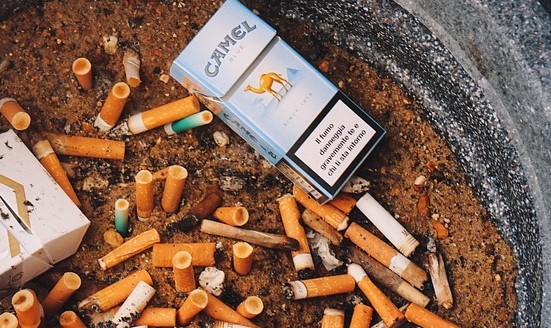
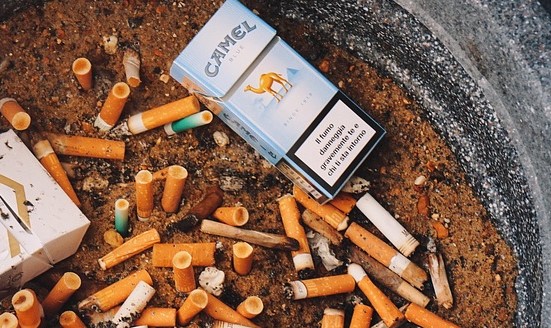
- Don’t Smoke: Smoking harms the immune system’s defenses and increases the risk of immune system problems. Quitting is one of the single most powerful steps you can take for your health.
- Limit Alcohol: Excessive alcohol consumption can disrupt immune pathways and weaken your body’s ability to fight infection. If you drink, do so in moderation.
6. Practice Foundational Hygiene
Supporting your immune system also means not overwhelming it. Simple habits prevent germs from taking hold in the first place.

- Key habits: Wash your hands frequently with soap and water. Cook meats thoroughly. Stay up to date with recommended vaccines, which train your immune system to recognize specific threats without you getting sick first.
Image Suggestion for Pillars 5 & 6:
Theme: “Clean Hands, Healthy Choices.”
Search on Pexels.com: Use keywords like “washing hands with soap and water close up,” or “fresh healthy lifestyle choices.”
What to look for: For hygiene, a clean, well-lit close-up shot of hands under running water. To represent avoiding harmful substances, you could use a simple image of a fresh glass of water with lemon instead of alcohol or cigarettes.
Part 3: Addressing Common Myths and Questions
Myth 1: “Going outside in the cold will weaken my immune system.”
Fact: Moderate cold exposure does not increase your susceptibility to catching a cold. We get more sick in winter because we spend more time indoors in close contact with others. The real advice should be: “Wear a jacket so you don’t get cold,” not “so you don’t get sick.”
Myth 2: “I need to take special herbs or super-dose vitamins to be immune-strong.”
Fact: While some supplements may alter components of immune function, there’s no strong evidence they bolster overall protection against infection. A balanced diet is superior. More is not better, and excessive intake of certain vitamins (like D) can be toxic.
Question: How does aging affect immunity?
As we age, our immune response naturally becomes less robust, a process called immunosenescence. This makes following the healthy habits outlined above even more crucial for older adults. It also highlights the importance of vaccinations like those for flu, COVID-19, and pneumonia, which are highly effective at preventing severe illness.
Part 4: How to Know If Your Immune System is Strong
You can’t “measure” immune strength with a simple test. The best indicators are practical:
- You get infections less frequently.
- When you do get sick, you recover effectively without complications.
Frequent, prolonged, or severe infections can be a sign to consult a healthcare provider to explore underlying causes.
Image Suggestion for this section:
Theme: “Vibrant Health and Energy.”
Search on Pexels.com: Use keywords like “healthy senior person hiking,” “active family outdoors,” or “woman laughing with energy.”
What to look for: A dynamic, joyful photo that represents resilience and vitality across the lifespan. Show people active, smiling, and engaged in life.
Conclusion: It’s a Marathon, Not a Sprint
Building a resilient immune system isn’t about finding a magic pill. It’s the cumulative effect of daily, sustainable choices that support your entire body. You don’t need to overhaul your life overnight. Start by picking one pillar—like adding an extra vegetable to your dinner, going to bed 30 minutes earlier, or taking a short daily walk—and build from there.
By nourishing your body, moving regularly, resting deeply, and managing stress, you create the ideal internal environment for your immune system to perform at its intelligent, balanced best. That is the true foundation of long-term health.
Image Suggestion for Conclusion:
Theme: “Sustainable, Balanced Lifestyle.”
Search on Pexels.com: Use keywords like “balance lifestyle concept,” “small healthy habits,” or “journey to wellness path.”
What to look for: A symbolic image, such as a person walking calmly on a path through nature, stones perfectly balanced in a stack, or a single, simple healthy action like planting a seed. Convey peace, consistency, and growth.
How to Use This Content for SEO Success (Google Adsense-Friendly)
This blog is structured to be highly search-engine and user-friendly:
- Original & Authoritative: The content synthesizes information from leading medical institutions (Harvard Health, CDC, MD Anderson) into a unique, comprehensive guide. Always cite reputable sources to build E-E-A-T (Experience, Expertise, Authoritativeness, Trustworthiness), which is critical for ranking health content.
- User & Google-Friendly Structure: The use of clear headers (H2, H3), bullet points, and a FAQ/myth-busting section makes it easy for both readers and Google’s algorithms to understand the content.
- Answers Search Intent: It begins by directly addressing the user’s core question and provides practical, step-by-step advice, increasing its chance of being featured in rich search results.
- Adsense-Compatible: The content is informative, not overly promotional, and avoids making unsubstantiated medical claims or recommending specific brands, creating a safe space for relevant health and wellness ads.
I hope this complete blog post provides everything you need. Remember to select professional, high-resolution images from Pexels.com that visually reinforce each key point to create an engaging and trustworthy reader experience.